
Glad Trad 8.1: From Baptist to Catholic
Today's podcast was live with Rakim and Kiz in Chicago. Kiz talks about her conversion from Baptist to Catholic.
RomeCast 8: The Theology of the Ascension
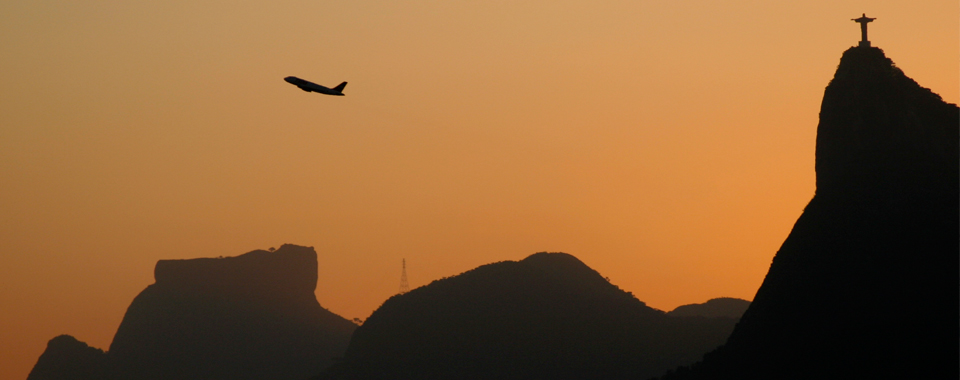
In today's podcast we discuss Ascension Thursday, 40 days after Easter. “I saw in the night visions, and behold, with the clouds of heaven there came one like a son of man, and he came to the Ancient of Days and was presented before him. And to him was given dominion and glory and a kingdom, that all peoples, nations, and languages should serve him; his dominion is an everlasting dominion, which shall not pass away, and his kingdom one that shall not be destroyed."—Dan 7:13-14
RomeCast 7: The Left Changes Their Vocab on Abortion
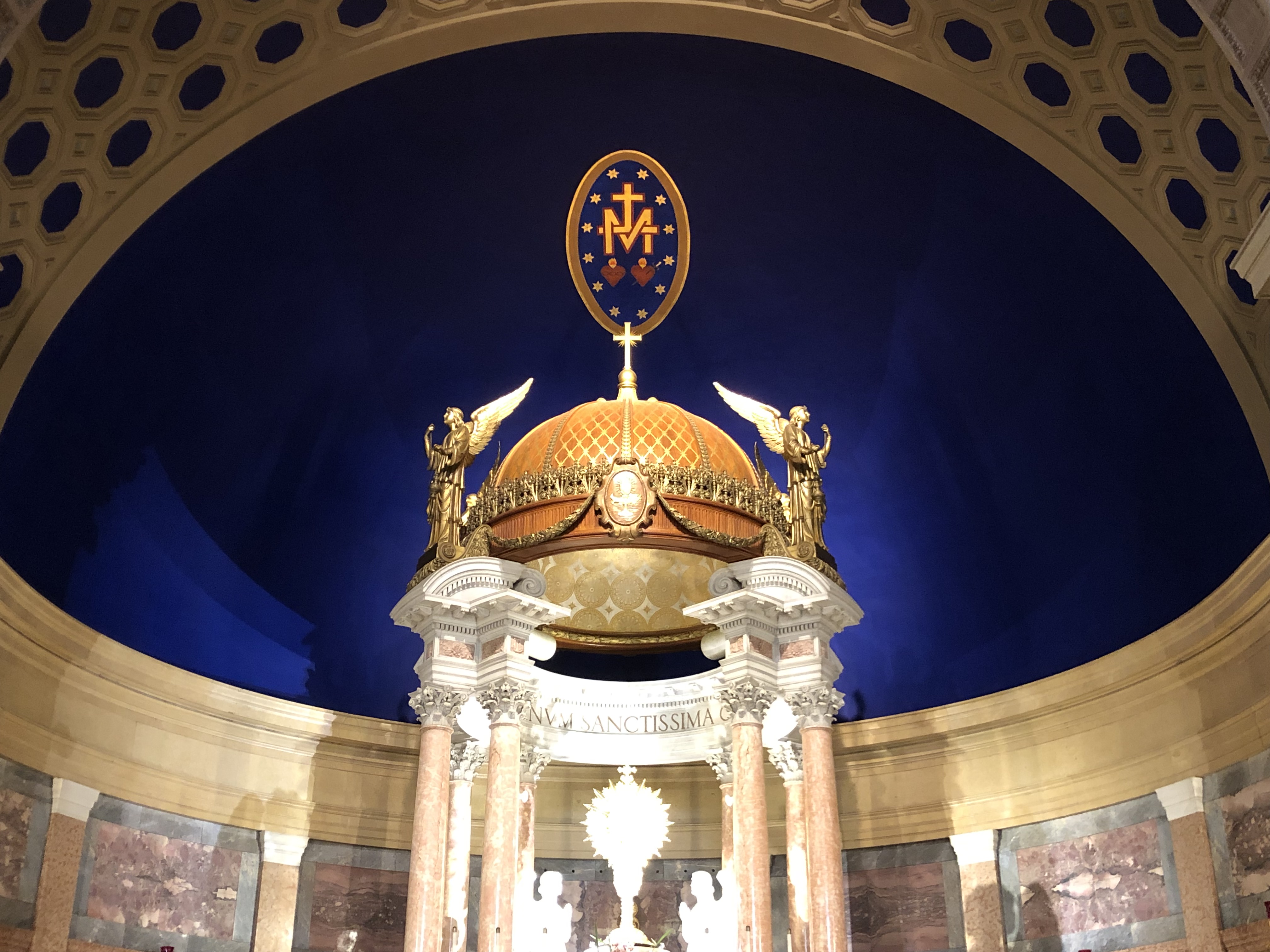
Andromeda discusses the changing language of an ABC article linked here where a woman describes her 15 abortions in 16 years. Far from condemning her, we notice on this podcast how often the term "baby" is now employed by non pro-life Americans, a significant shift in the vocabulary of today. In this podcast, I also suggest a book called "Forbidden Grief: The Unspoken Pain of Abortion." Andromeda indicates Bernard Nathanson's movie about a live abortion called "Eclipse of Reason" (caution: very violent content.) The music bumpers and above photo are both from the national Shrine of St. Maximilian Kolbe, Marytown.
Glad Trad 7: The Conversion of Oakes and Julie Spalding
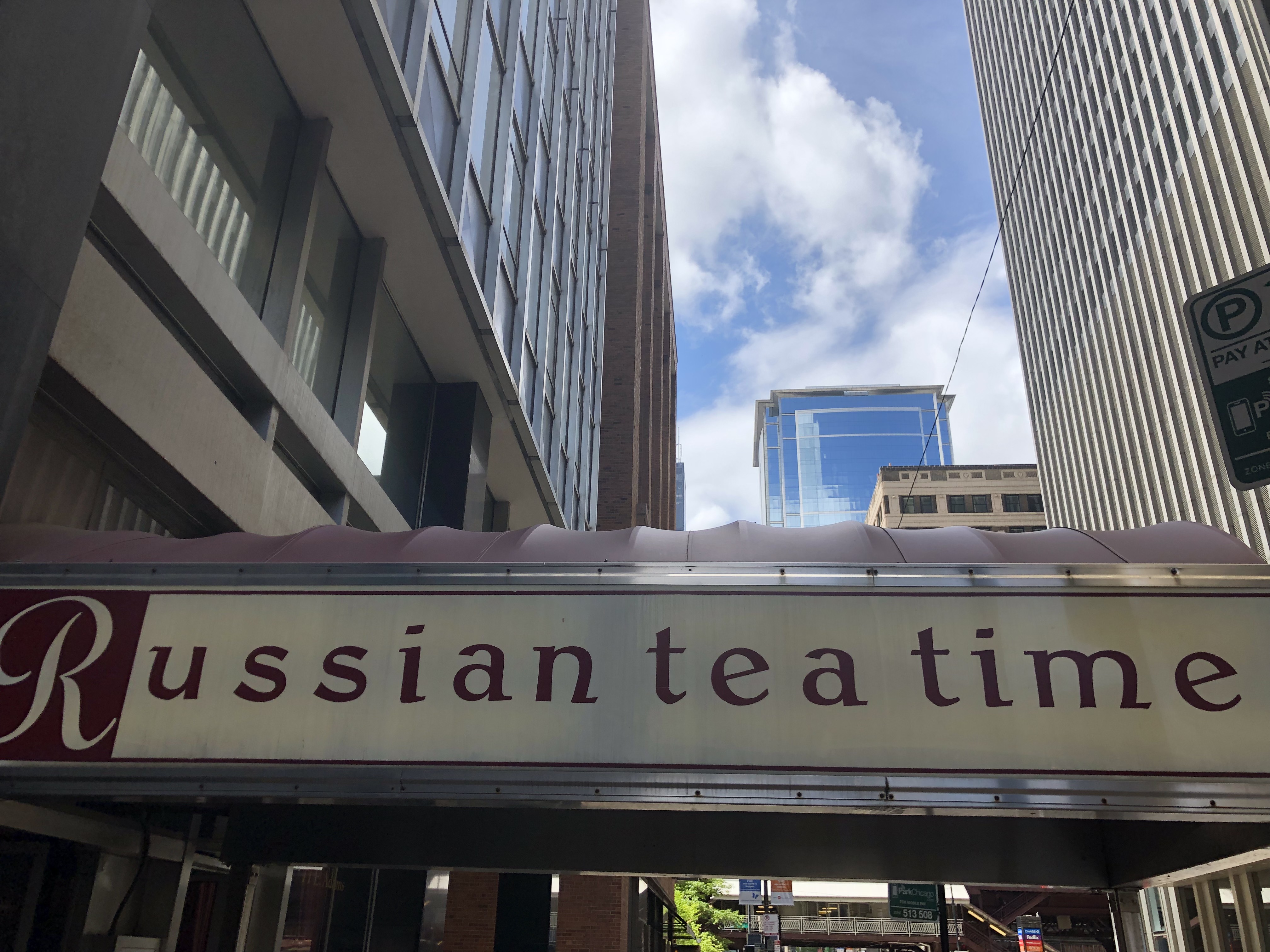
Mahound's Paradise tells me in the Loop of Chicago's famous "Russian Tea Time" of his conversion to Catholicism. This conversion includes St. John Cantius in Restoring the Sacred. [Correction: The Charlie Hebdo shooting actually occured on On 7 January 2015.]
RomeCast 6: Mental State of Awareness in the Catholic Church
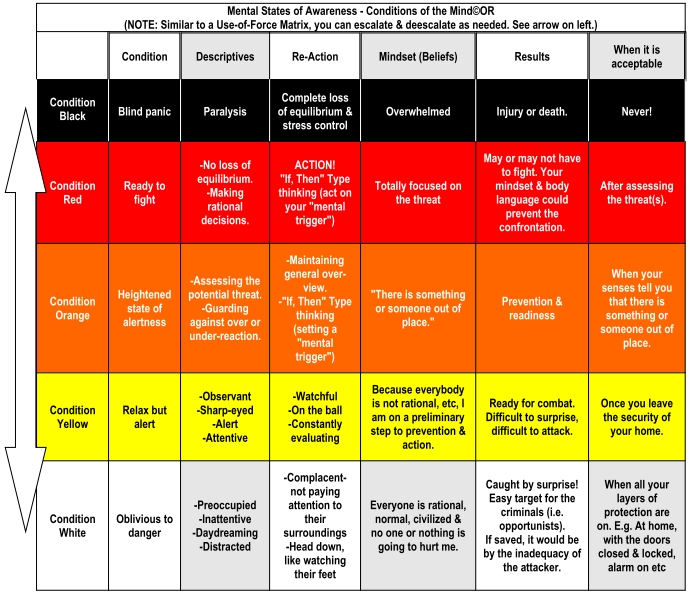
On today's podcast, Oz and I discuss peaceful vigilance in lay people approaching both catechesis and priests, and how we want to avoid the two extremes of both negligence and panic.
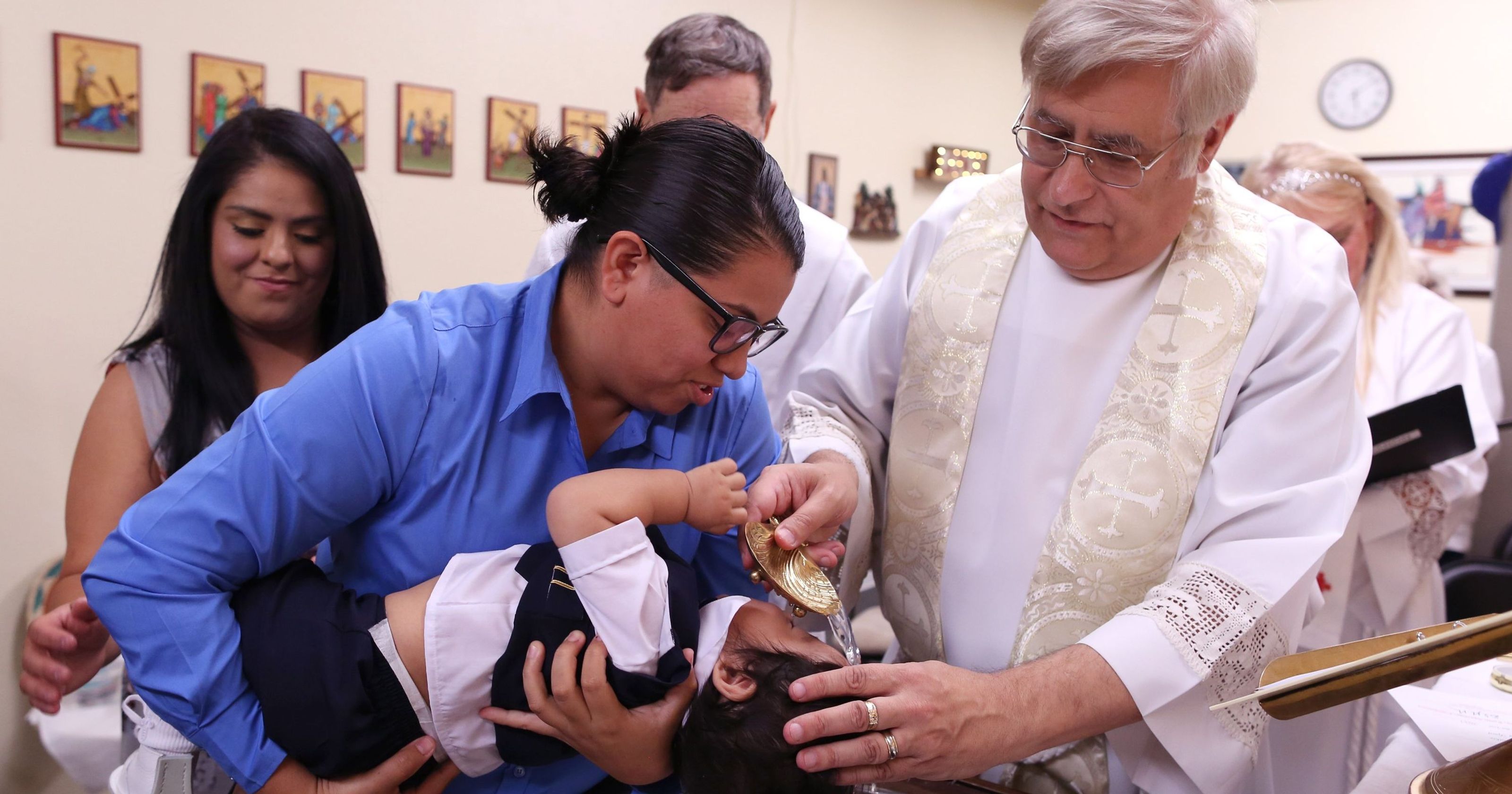
Can a Priest Baptize the Baby of a Same-Sex Couple?
In the photo above, a priest baptizes a baby that will be raised by two women. This took place at St. Cecilia’s in California on 7 May 2017. P/C USA Today’s Desert Sun. When a large homeschooling family brings their 9th baby to be baptized, that infant, at the moment of baptism, dies to the original sin in which it was born, comes out of the water risen with Jesus Christ and is a tabernacle of the Blessed Trinity, now beginning life as a son or daughter of God. When two same-sex guardians bring an infant to be baptized, that infant, at the moment of baptism, dies to the original sin in which it was born, comes out of the water risen with Jesus Christ and is a tabernacle of the Blessed Trinity, now beginning life as a son or [...]
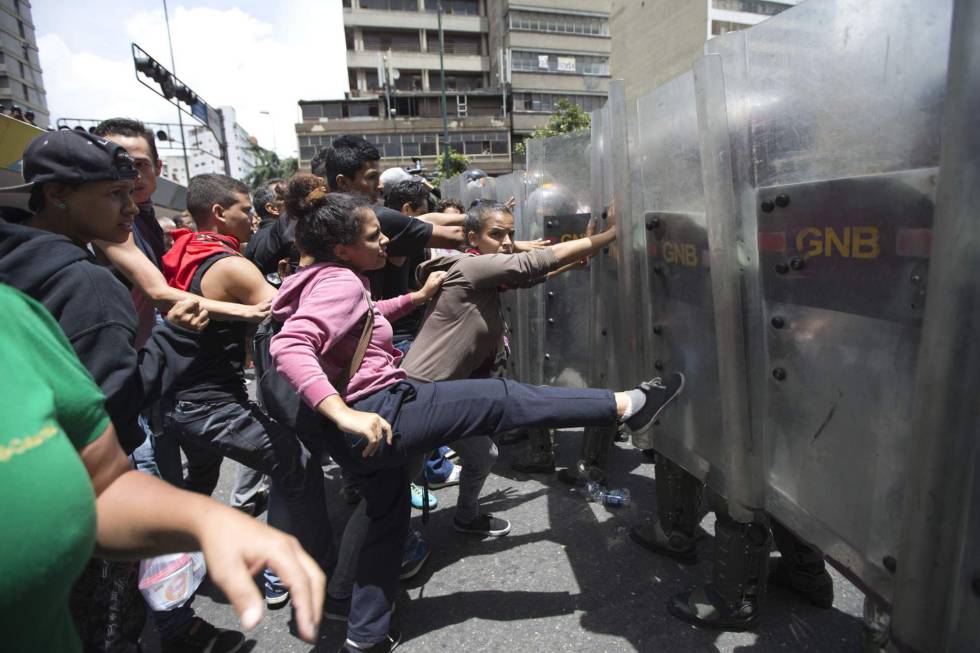
RomeCast 5: Socialism in Venezuela and Social Credit in Vatican II
In today's podcast, we discuss a NYT article on Venezuela, Marxism in general and secondly the question that many traditional Catholics get on obedience and authority.
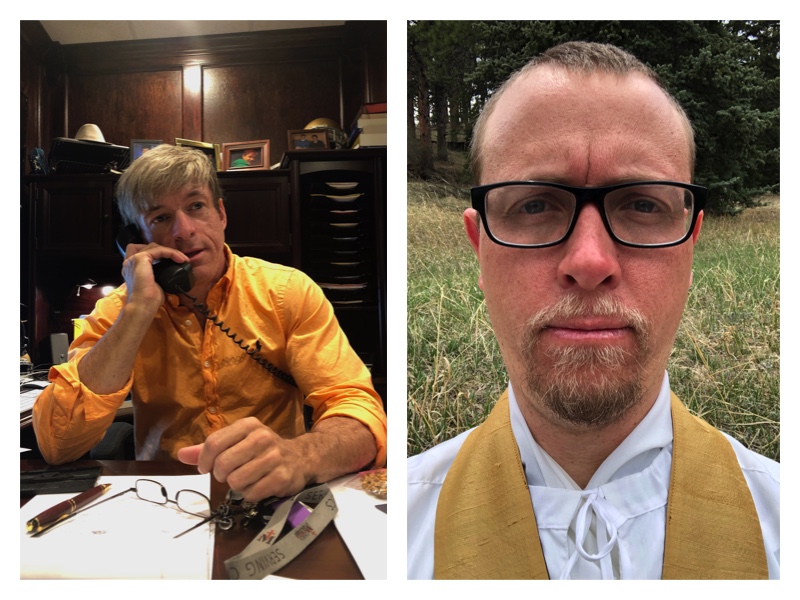
Glad Trad 6.2: Michael Voris’ 2018 Stories Re-Visited
In today's podcast, we recap the 2018 Church Militant stories of James Grein and the late Fr. Moreno of the diocese of Buffalo, NY.
World Religions Part III: Real Catholicism is the Only Antidote to Chaos
I attempted to prove in World Religions part I and part II that Catholicism is the only world religion that even claims to deliver lasting fulfillment to modern man. In this blog post, I will attempt to show that an "updated" Catholicism can never do this. Only real Catholicism can serve as "an antidote to chaos" to borrow a term from the best-selling book by Jordan Peterson. Yesterday, I drove from Denver to Chicagoland to be with my grandma for what may be her last month on earth. I am vigiling by her bed with both an iPad to get some work done and the old Collectio Rituum to begin the Litany of the Dying and De Expiratione if she should begin to actively die. (As I write this blog post at her side, she is sleeping peacefully and in [...]
RomeCast 4: St. Ubaldo and Catholicism needing both Relationship and Rules
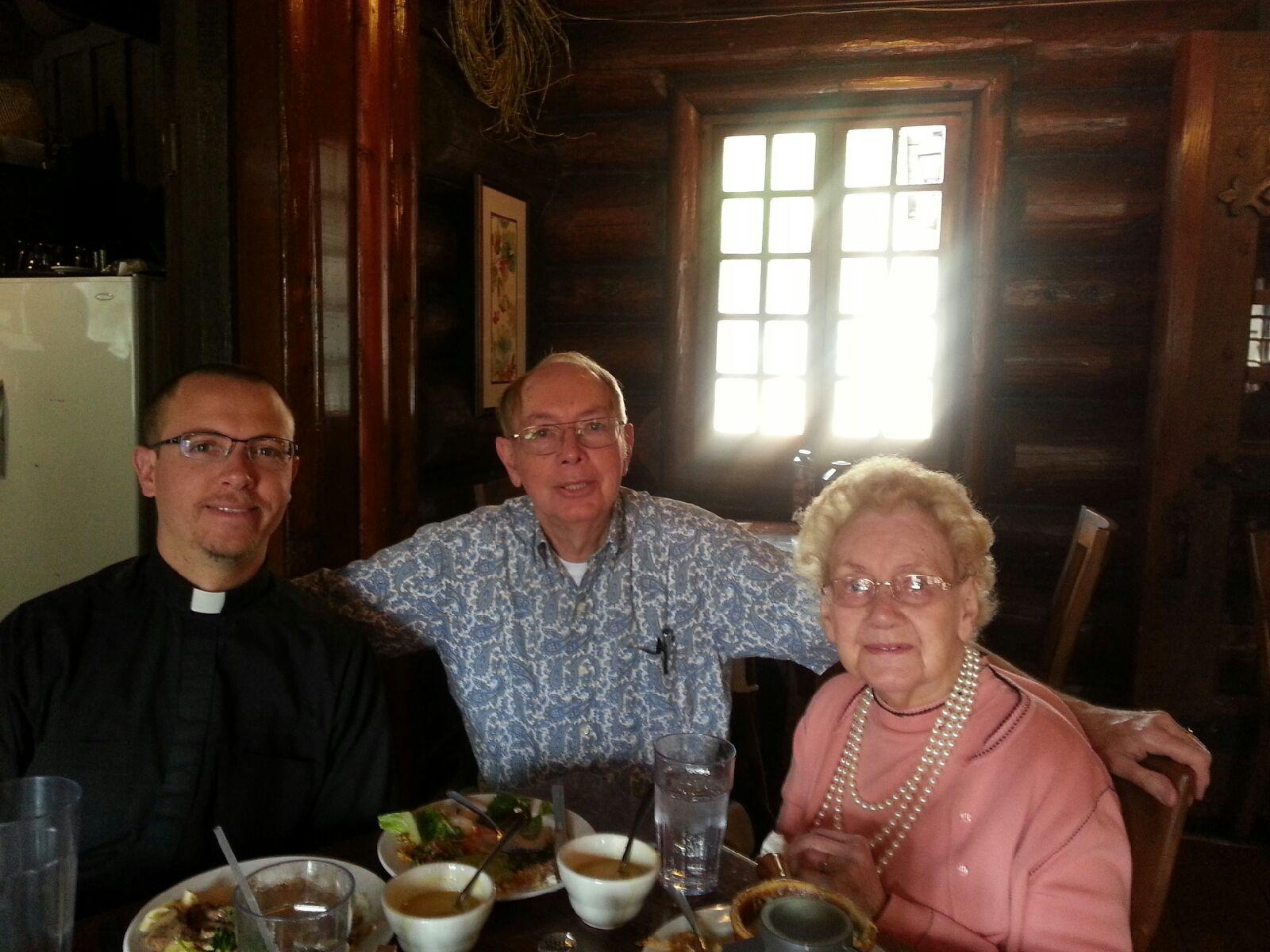
Oz discusses a Florida bishop from the 1980s who reflected the courageous acts of an ancient saintly bishop, Saint Ubaldo of Gubbio. I then discuss the conversion of grandmother, now 103, seen in the featured picture above. Please pray for her failing health. Finally, sorry about the bad sound quality—we recorded this podcast while I was driving across the country and we are working on getting better recording equipment.