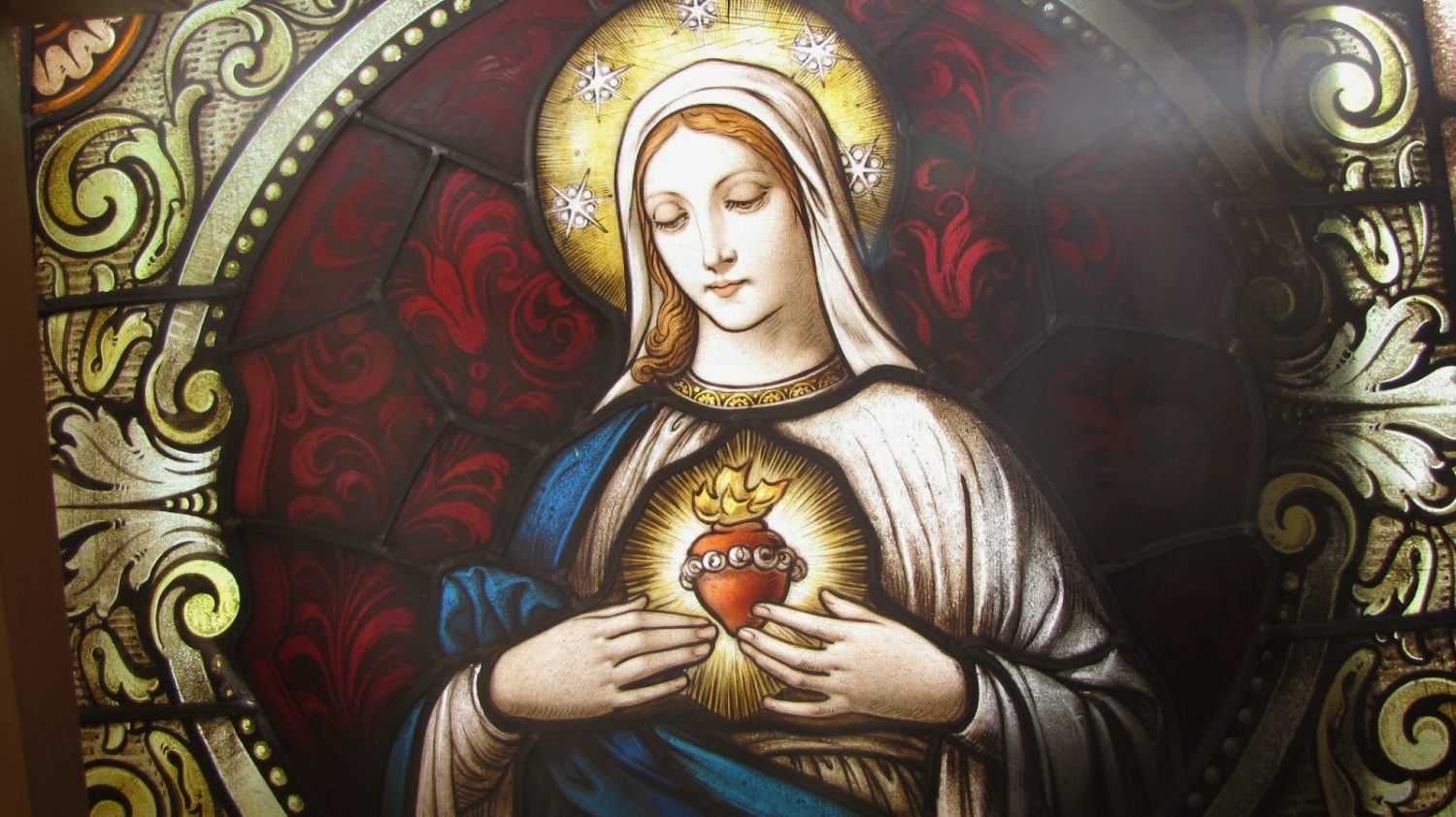
Immaculate Heart of Mary Sermon
Today's Daily Mass sermon was about the Immaculate Heart of Mary, St. John the Beloved and your role in the Church today leading to the Triumph of the Immaculate Heart of Mary.
Today's Daily Mass sermon was about the Immaculate Heart of Mary, St. John the Beloved and your role in the Church today leading to the Triumph of the Immaculate Heart of Mary.
I'll be posting some daily Mass sermons like this one since I'm [surprisingly] back in a parish.
The four parts of a good confession.
I spent 2017 as the parish priest in a small bayou parish in south Louisiana. Their normal pastor was serving as a chaplain for the US Army for a year, and he needed someone who knew the Traditional Latin Mass. His tiny bayou parish was very unusual insofar as it was under the jurisdiction of the diocese of Houma-Thibodaux, but was 1962-sacraments-only. The bishop down there was very good to me. Like most “Latin ghettos” in other dioceses, this Latin Mass parish was found in a poor part of the state, in this case on Tiger Bayou, full of gators and ditched oil rigs. I describe Louisiana as a “Catholic [...]
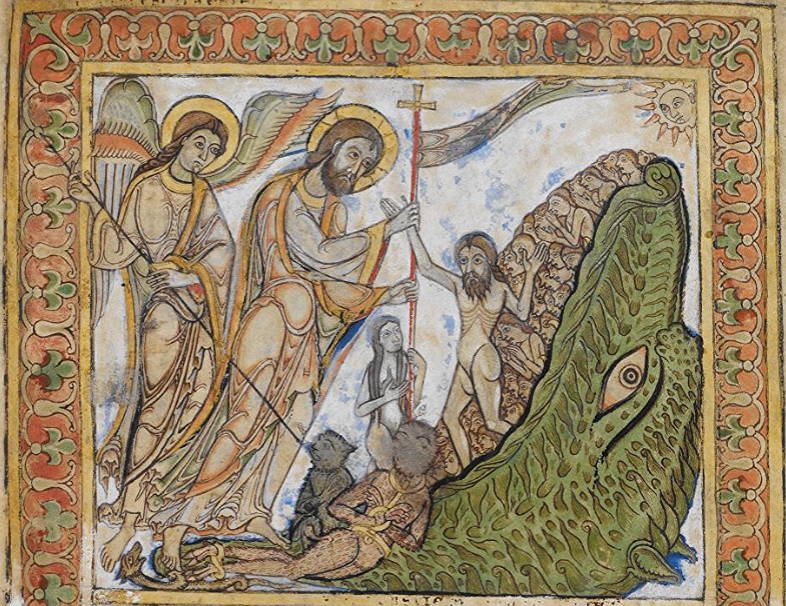
A history of Christological errors and their remedies in six minutes.
How the parable of the Good Samaritan links the two Great Commandments in the Eucharist and corporal works of mercy.
This was a real email I got tonight. My response also follows verbatim. Hi, Fr. DN, I asked three local pastors in the area I live in in NJ about what Catholics should do if they are invited to same sex marriages. They all said that if it is a close relative that you should attend so as not to lose the relationship or bond with that relative. Does the Catholic Church have any dogma on this? Thank you, Karen Dear Karen, Those priests are wrong. You would be committing grave mortal sin in participating in the attempted "marriage" of same-sex people by going to their "wedding." Your sin would [...]
This is an hour long video on how to attend Holy Mass like the saints. They come from meditations from St. Francis De Sales on the Passion of Christ within the Traditional Latin Mass. https://vimeo.com/283322245
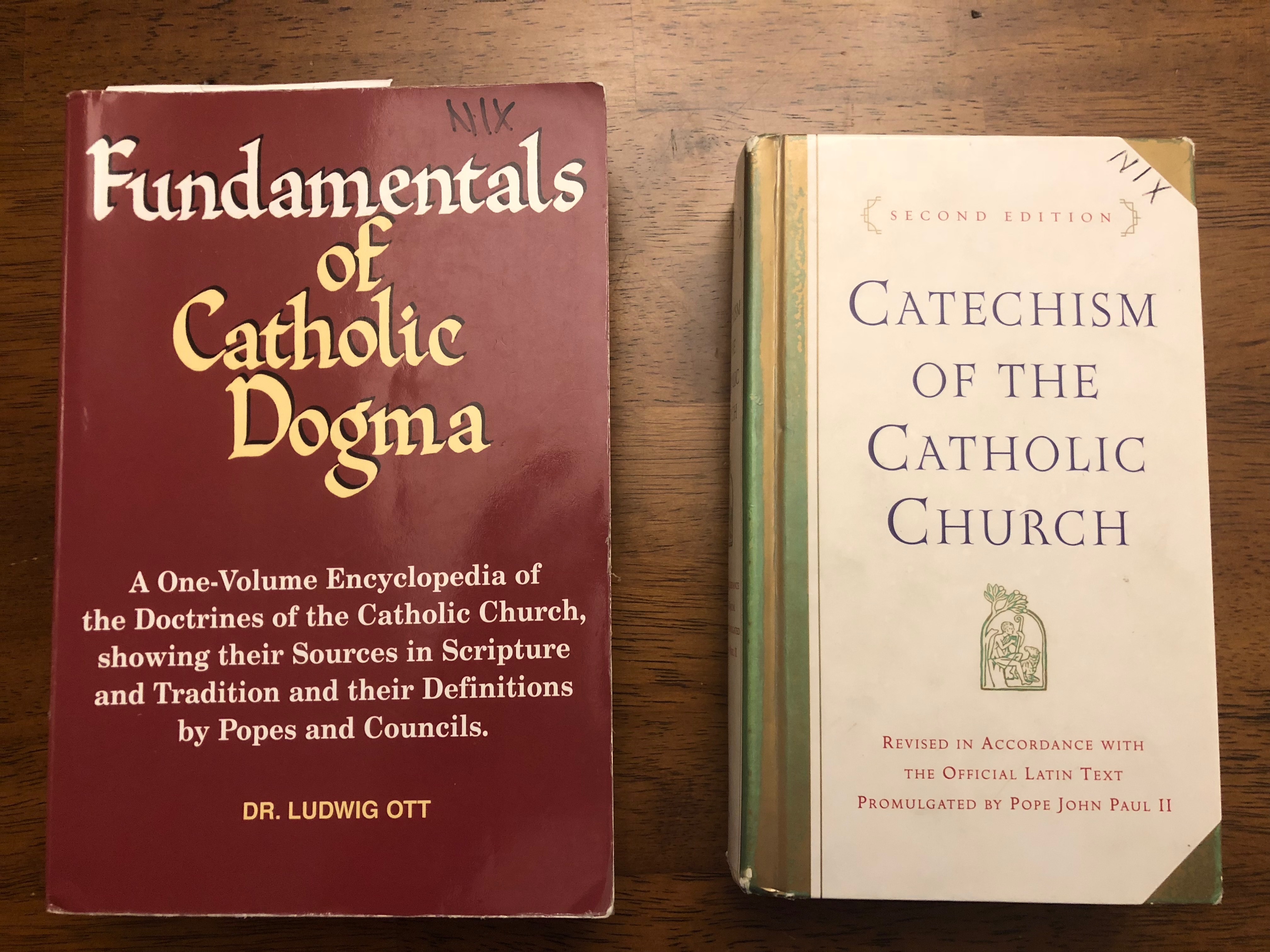
WAIT. WAIT. WAIT. Before skimming this article to see if you like my conclusion on the death penalty, please realize that this blog post is a work on systematic theology, not moral theology. Systematic theology is a consideration of the levels dogma in the Catholic Church. Indeed, the question of By What Authority must precede visceral reactions to difficult issues that divide Catholics today like the death penalty or gay "marriage." Against the better judgment of half-my-mind, I’m going to give you (here in the first paragraph) the dogmatic conclusion of this blog post that will be proved below: The Catechism of the Catholic Church is not infallible. The [...]
In this sermon for the 9th Sunday after Pentecost, I reference a 1995 death experience of Gloria Polo and an ancient prophesy of St. Francis of Assisi.