Second Sunday of Advent
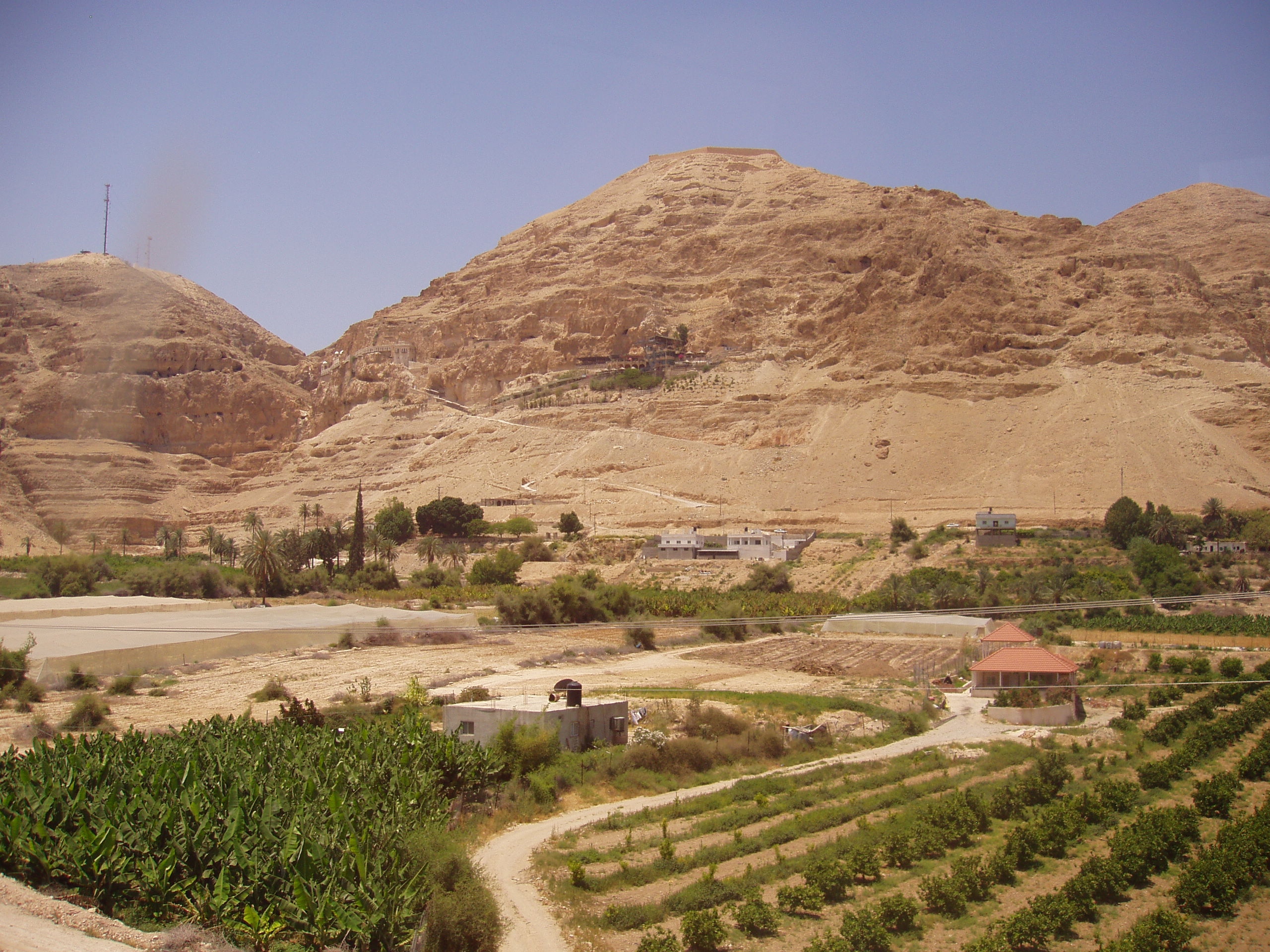
The people that John the Baptist preached to were very similar to the people of today.
This class was originally "Traditional Latin Mass 4" but it [happily] got derailed into a Question and Answer regarding unity within the Church. Mass podclasses will continue next week.
"Everyone who divorces his wife and marries another commits adultery, and he who marries a woman divorced from her husband commits adultery."—St. Luke 16:18 "For anyone who eats and drinks without discerning the body eats and drinks judgment on himself."—1 Cor 11:29 "For no crime is there heavier punishment to be feared from God than for the unholy or irreligious use of the Eucharist."—Council of Trent, Chapter 6 on the Eucharist The Nine Ways of Being an Accessory to Another's Sin: By counsel By command By consent By provocation By praise or flattery By concealment By partaking By silence By defense of the ill done
How to understand the importance of our short time on earth before the return of Jesus Christ, regardless of His timing on the Final Judgment.
The six links of this podclass are: Conversation With Christ to learn how to meditate as St. Teresa of Avila and St. Ignatius of Loyola. Moveable Feasts pdf of the Traditional Calendar from 2000 to 2050 YouTube Traditional Latin Catholic Mass: Easter Sunday by Fulton Sheen iMass app St. Francis De Sales' meditations on the parts of the Mass Nothing Superfluous by Fr. James Jackson The seven sections of the 1962 family Missal are: 1: Devotionals 2: Sundays in Advent and Lent (and Moveable Feasts) 3: Sundays after Pentecost (and Moveable Feasts) 4: Ordinary/Roman Canon and Prefaces (Baronius has prefaces before Ordinary) 5: Common Masses 6: Saints and Immovable Feasts 7: [...]
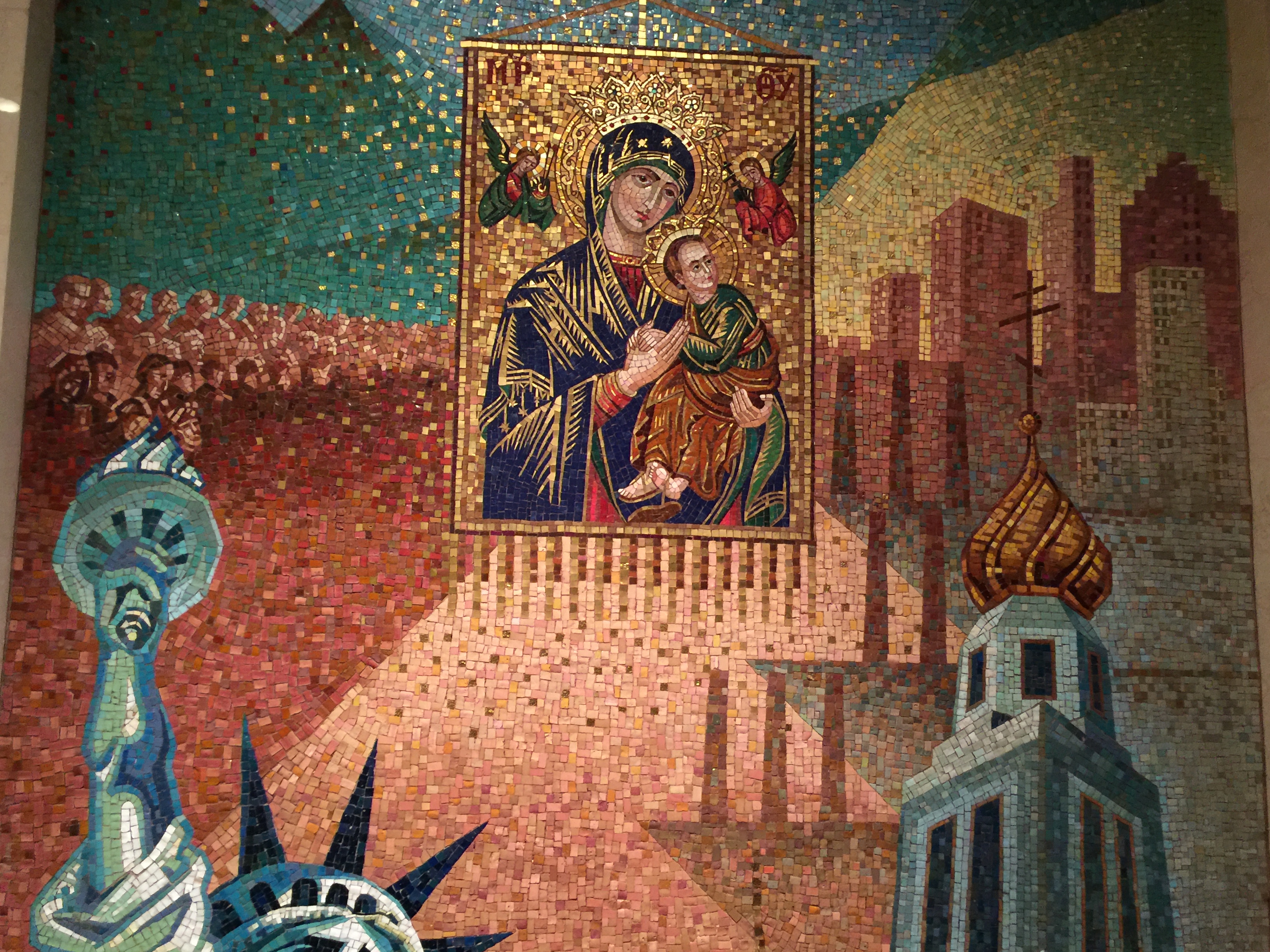
This sermon is about how to get your kids to heaven in 15 minutes a day. The featured image is Holy Ghost parish in downtown Denver. Some families of this parish used the Baltimore Catechism in the 1980s, and it paid off.
It would be helpful (but not necessary) to have the layman's 1962 Missal on hand to learn the power of this old Missal. The featured image above is St. Francis Xavier whose propers of the Mass we will consider in this "podclass."
The Office is not a particularly edifying TV show and I would not recommend it for its secular world view. I’ve never seen the UK version of The Office and I’ve only seen a few episodes of the American version. Still, it struck me this week that the personalities (not the religious or political views) but the personalities of The Office characters seem to reflect the very personalities attracted to various movements of American Catholicism in the 21st century. Notice equal-opportunity target-practice below: JPII Catholics≈Jim These are the young Catholics who want to make Catholicism look relevant. Jim Halpert is no neo-conservative on the TV show, but his [...]
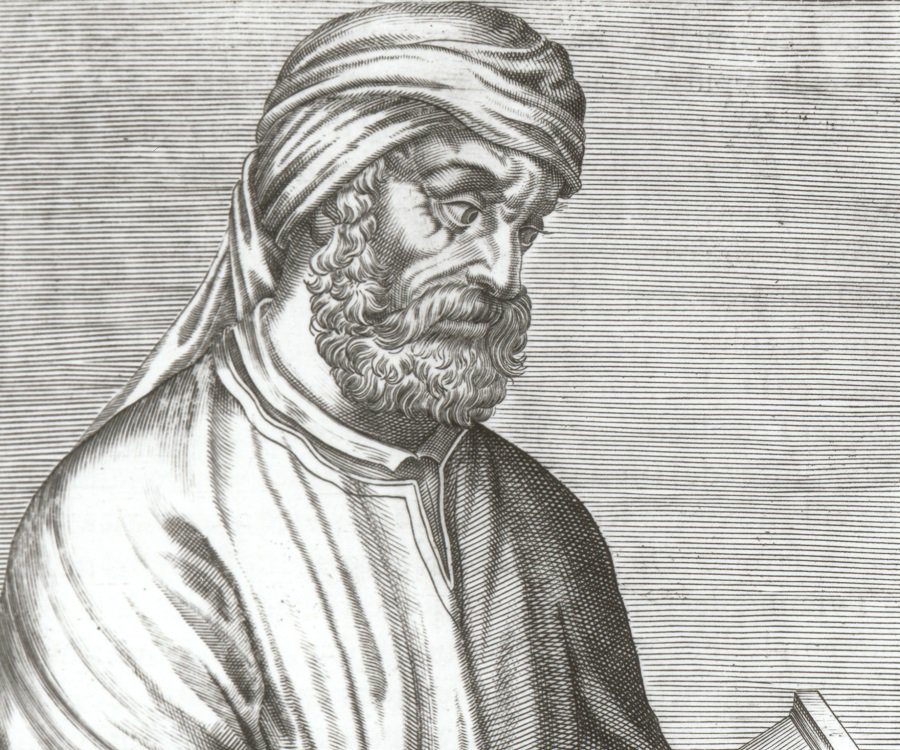
Today is the Sixth Sunday which remains after Epiphany. "Superfuit" is Latin for "remain" or "survive," because these readings remain from the Sundays of the calendar year prior to Septuagesima Sunday earlier this year. This is so we can get through all the readings before the last Sunday of the ecclesial year (next week.) Most of today's sermon is actually taken from St. John Chrysostom's words on St. Matthew chapter 13, the Gospel for today. The other person in the feature-image is St. Gregory the Wonderworker. Both are early Turkish saints, mentioned in this sermon.
This is class 1 on teaching the 1962 layman's missal, but people who go to the Ordinary Mass or Divine Liturgy will learn a lot, too, because linked here is the meditation for each part of the Holy Mass according to St. Francis De Sales, and that comprises part of this "podclass."