On Sorrow in a Good Confession
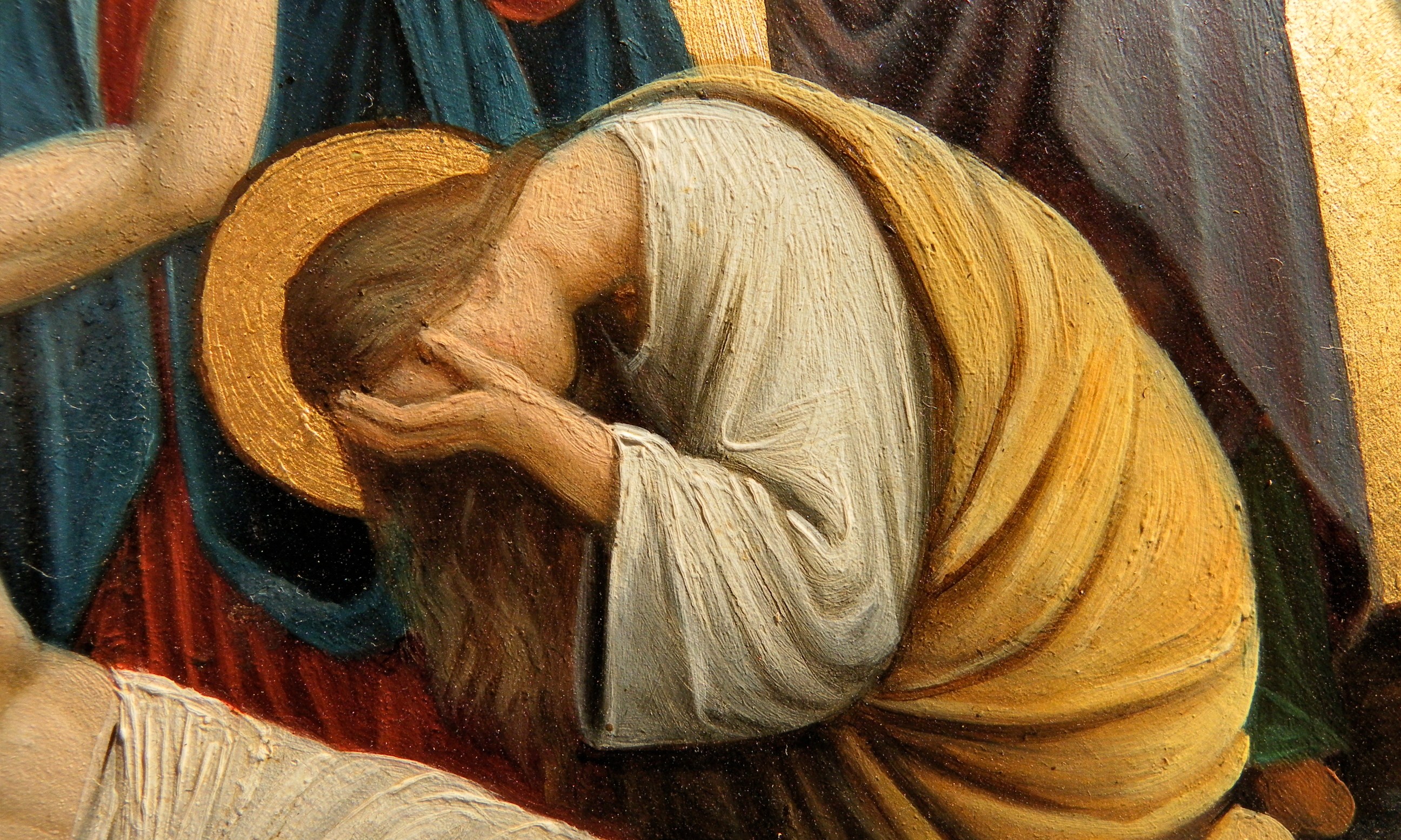
The sacrament of penance, also called the sacrament of reconciliation (or confession) has four necessary parts, three of which are on the part of the penitent: 1) contrition (sorrow) 2) confession of sins (to a priest, in person) and satisfaction (also called your penance, done outside the confessional.) The one aspect of a good confession executed by the priest is absolution (provided the priest has judged the penitent worthy of absolution.) Last year during Lent, I gave a sermon called How to Make a Good Confession found on both my podcast and Sensus Fidelium's YouTube on these external parts of confession. Since then, I have started to read the Catechism of Pope St. Pius X (CPX) and I have discovered an overwhelming importance on sorrow for sins while approaching the confessional that I did not include in the above talk. In this very [...]
Salvation Podcast 2
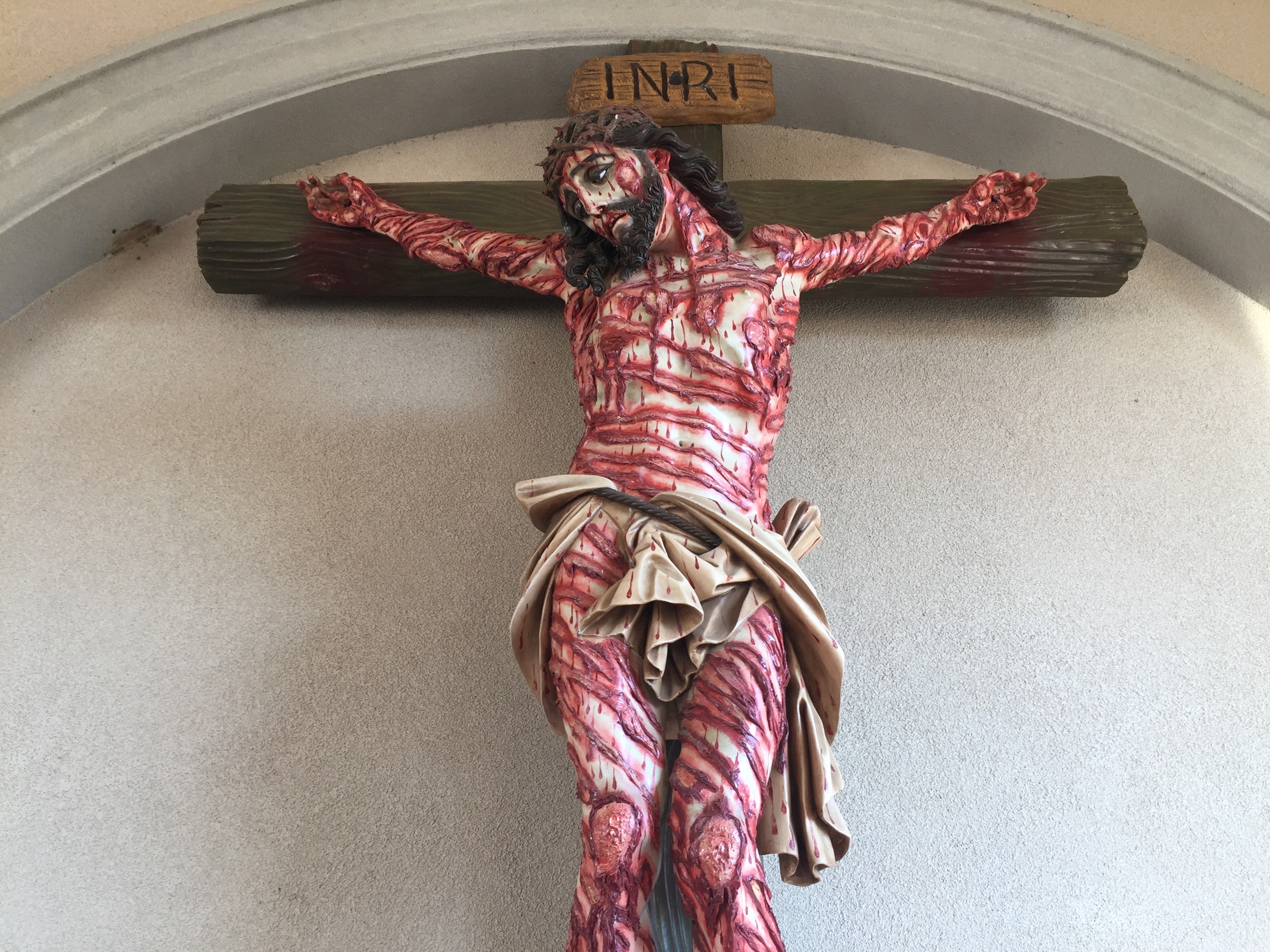
Pace Pelagius, what are the three things that the Catechism of Pope St. Pius X says that we need to get to heaven? Can natural good works get us to the supernatural goal of heaven? Why did Pelagius deny Original Sin? Why is grace needed in the wake of Original Sin? When should babies be baptized? Can any sin be forgiven in confession? Can suicides be saved? Can non-Catholics go to heaven? Can a good-hearted non-practicing Catholic be saved? Do most Catholics go to heaven? Is it hard to be saved? Must we die in sanctifying grace or is ignorance of the Gospel enough to be saved? What about death-bed conversions? What about making extra reparation for sins after confession? Can Ben Shapiro get to heaven by simply following his conscience?
Salvation Podcast 1
Who was Pelagius and what is Pelagianism? How did Pelgianism in the 5th century lead to ecumenism in the 20th century? Has ecumenism led the Vatican to begin an approach to the UN’s Agenda 2030? What is "one world religion”? Is salvation a free-gift or must we work hard for it? What is that 18th century heresy of Quietism? How does free-will come into salvation? What importance does faith, grace and works make in our lives? "For by grace you have been saved through faith. And this is not your own doing; it is the gift of God, not a result of works, so that no one may boast. For we are His workmanship, created in Christ Jesus for good works, which God prepared beforehand, that we should walk in them.”—Eph 2:8-10
The Simple Gospel
Our Patristics professor in seminary said something that I will never forget. He said: “Don’t read the Scriptures with a higher IQ than who it was written for.” I’m going to keep coming back to this line, “Don’t read the Scriptures with a higher IQ than who it was written for,” so I need to explain first what it does not mean. My professor was a very intellectual man, so he was not saying that the Gospel of Jesus Christ was created to trick peasant-doofuses into becoming Christians or later that Catholicism would become the opium of the illiterate-masses. Nor did he mean that the Deposit of the Faith was transmitted by Christ to a group of shallow fishermen who went forward to find the most deceivable people to baptize. While re-reading Acts of the Apostles, I recently discovered that [...]

The Amazon Synod and Married Priests
Crux reports "When the Synod of Bishops on the Amazon rolls around in October, the long-debated possibility of ordaining mature, married men to the priesthood in areas where there are priest shortages will be brought to the table." Ever notice that when he who St. Ignatius of Loyola calls “the enemy of human nature" floats propositions to men, that proposition always begins under the guise of "safe, rare and legal"? This is not only in matters of human life, but even in liturgical matters. Fr. Heilman shows here in Truth About Communion in the Hand While Standing that Holy Communion in the Hand only started in 1969 by "bestowing an indult – an exception to the law – under certain conditions.” Notice how eerily similar this idea of a rare "indult" is to the deadly phrase of what the US [...]

True Catholic Social Justice
The most important thing in the Catholic Church is the glory of God. Secondly, the salvation of souls. The term "social justice" has been commandeered by SJWs, but let's admit that real social justice is still on the top-ten list of important things in Catholicism. About five years ago, I ran into a North American priest in Rio De Janeiro. We traveled around the city a bit, and I explained to him why my two great passions were ending abortion and ending child sex-slavery. After my long explanation, he simply said, "So abortion kills children's bodies and child-trafficking kills their souls?" He got it perfectly. In fact, as I look back, he gave the most succinct description for everything I want to give my life for. (The only passion now greater in my life the restoration of the Church, for [...]
On Schism
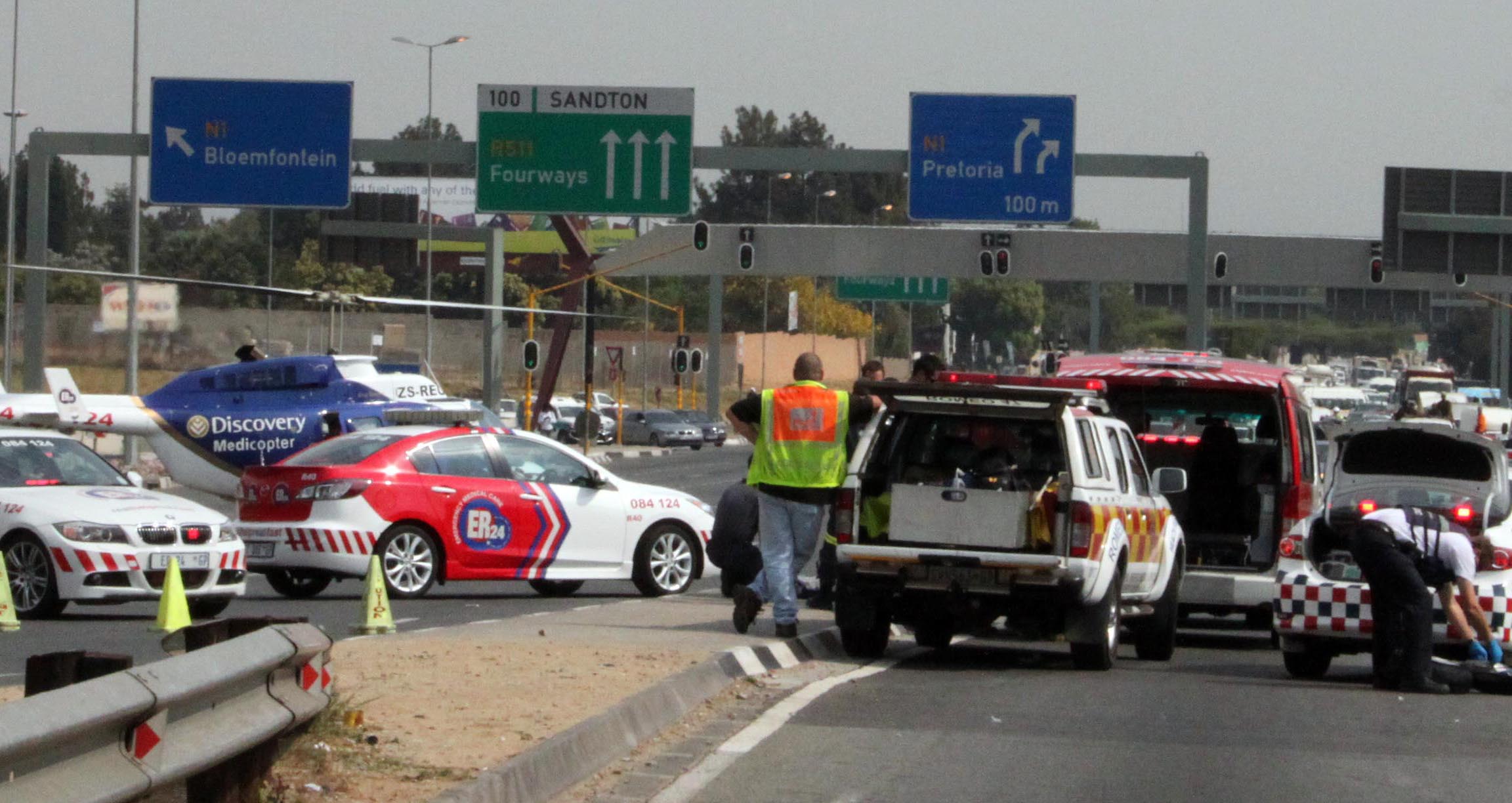
Johannesburg, South Africa used to be the gunshot wound (GSW) capitol of the world. Several years ago, I was reading about how a Joburg paramedic was treating a conscious GSW patient. After a body sweep to find the exact number of GSWs, the paramedic found an exit wound in addition to the single entrance wound. Finding the exit wound made the medic exclaim, "This means you're going to live! This means you're going to live!" (Keep in mind that GSW patients frequently survive. Other victims may die hours later in the Operating Room, unlike the movies where the victim always dies on-scene.) I've been very curious about that story for about a decade, so this week I did some research to see if an exit wound truly increased survival for GSW patients. All I could find in Western medical studies [...]
Interview with a New Convert Part 2
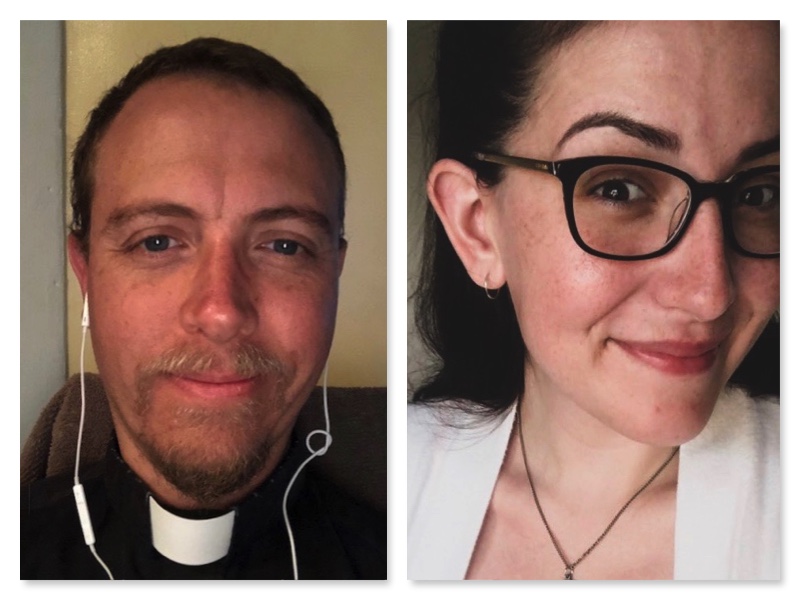
This is part 2 of 2 of an interview with Stefanie Nicholas, a millennial who went from being an agnostic to following Christ and the Catholic Church. Hear in today's podcast how she "runs into the fire" of a Church in crisis with scandals, even when many run away. Stefanie writes at onepeterfive.
Interview with a New Convert Part 1
Why would anyone become Catholic *now*? This is part 1 of 2 of an interview with a single-Mom millennial who decided to follow Christ and the Catholic Church amidst the chaos of her own life, amidst the chaos of a Church in crisis.
Widow of Nain
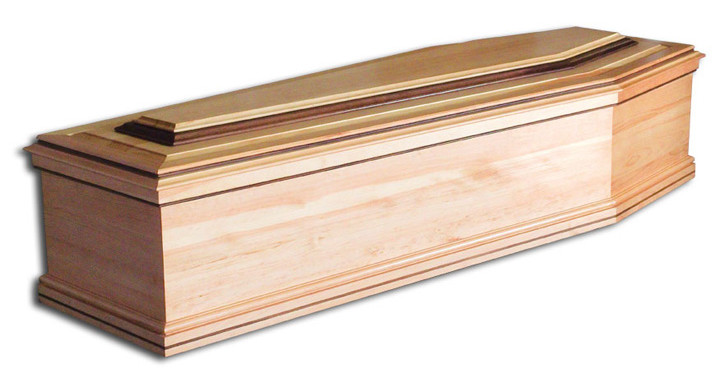
Sermon for the 15th Sunday After Pentecost.